


A U.S.-based embedded payment provider purpose-built for software platforms is expanding north of the border.
Atlanta, Georgia’s Rainforest has unveiled its expansion into Canada following the raising of US$29 million through an oversubscribed Series B round.
The $US29M hails from repeat investors Matrix Partners, Infinity Ventures, and others, and brings the fintech’s total funding to date to nearly US$60M.
Since its Series A raise, Rainforest has “strategically expanded the team to fuel the next stage of growth,” according to a statement from the company.
Rainforest allows vertical software companies to embed payments in their platforms to drive revenue, retention and enterprise value. The platform provides low-code integration technology, merchant portability, transparent pricing, and flexible contract terms for less risk.
One of the biggest challenges vertical SaaS companies face, according to Infinity Venture founder Jeremy Jonker, “is the ability to migrate payment volume to a new provider—and some companies struggle for years.”
Which is “exactly where Rainforest shines, helping their platform clients move hundreds of millions of dollars in just a few weeks or months,” Jonker says.
Embedded payments “are the secret weapon of the best vertical software companies, like Shopify and Toast,” posits Matt Brown, a Partner at Matrix and a Board member of Rainforest. “Rainforest provides the technology, service, and proven playbook to help their platform clients maximize adoption and drive real payments revenue.”
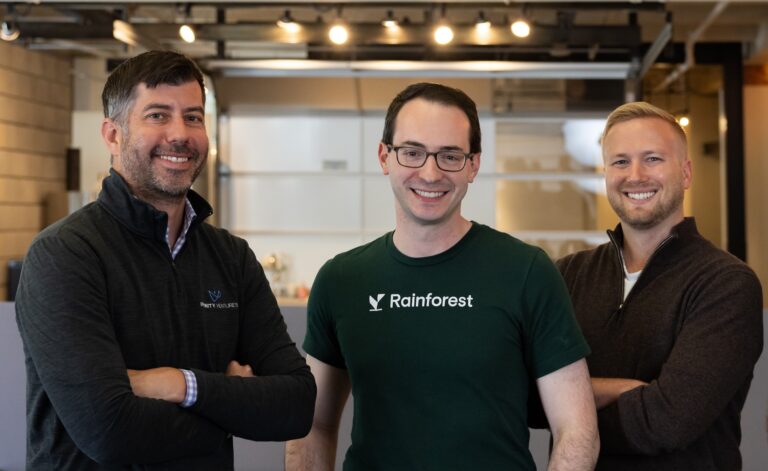
Joshua Silver, founder and chief executive officer of Rainforest, says his company has been experiencing “an increase in demand because vertical software companies want an embedded payments product that’s purpose-built for their use case and a provider who is focused on their needs.”
“Our growth reflects our customers’ success,” he continued. “In my twenty years of experience in payment technology, I have never felt more confident about the ability to deliver on the wishlist of functionality, security, visibility, consistency and reliability.”



Leave a Reply