

For years, SaaS companies built their businesses on subscriptions. But as competition increases and margins tighten, a new growth lever is emerging—one that sits directly inside the product itself: payments.
Embedded payments are quickly shifting from a convenience to a core business strategy. Rather than sending users to third-party processors, leading platforms are integrating payments directly into their workflows—capturing revenue from the flow of money already moving through their systems.
The result is a fundamental shift in how SaaS companies monetize.
As Calgary-based Digital Commerce Payments notes, embedded payments are no longer just about enabling transactions. They are a way to unlock new revenue streams, improve cash flow, and deliver a more seamless customer experience. In other words, payments are becoming a growth engine.
That shift is already visible among Canada’s leading vertical SaaS companies.
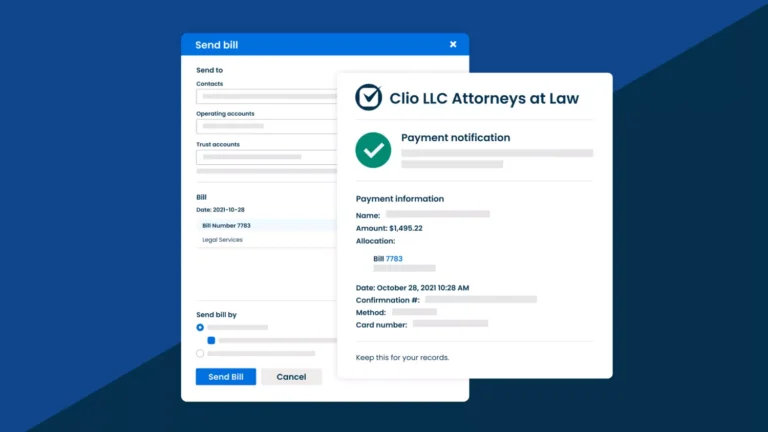
Vancouver-based Clio has embedded payments directly into its legal practice management platform, allowing law firms to bill clients, manage trust accounts, and accept payments without leaving the software. The result is faster collections and a more integrated client experience.
Similarly, Edmonton’s Jobber has built payments into its workflow for home service businesses, enabling invoicing and payment collection within the same system used to schedule and manage jobs. By embedding payments into the flow of work, Jobber is able to capture more value from each transaction while reducing friction for its users.
Vancouver-based Jane has taken a similar approach in healthcare, integrating booking, charting, billing, and payments into a single platform. Clinics can store cards on file, process payments through a patient portal, and streamline administrative workflows—all within one system.
In each case, payments are not a standalone feature. They are embedded directly into the core product experience.
This matters for two reasons.
First, it creates a new and highly scalable revenue stream tied to transaction volume, not just seat licenses. Second, it improves the user experience by eliminating friction—no external tools, no manual reconciliation, and faster time to payment.
As Digital Commerce Payments highlights, SaaS platforms that treat payments as a strategic layer—not just infrastructure—are gaining a meaningful competitive advantage. Those that don’t risk leaving both revenue and user experience on the table.
The implication is clear: SaaS companies are no longer just software providers. Increasingly, they are becoming financial platforms.
And in that shift, embedded payments are not just a feature—they are the business model.
Leave a Reply