


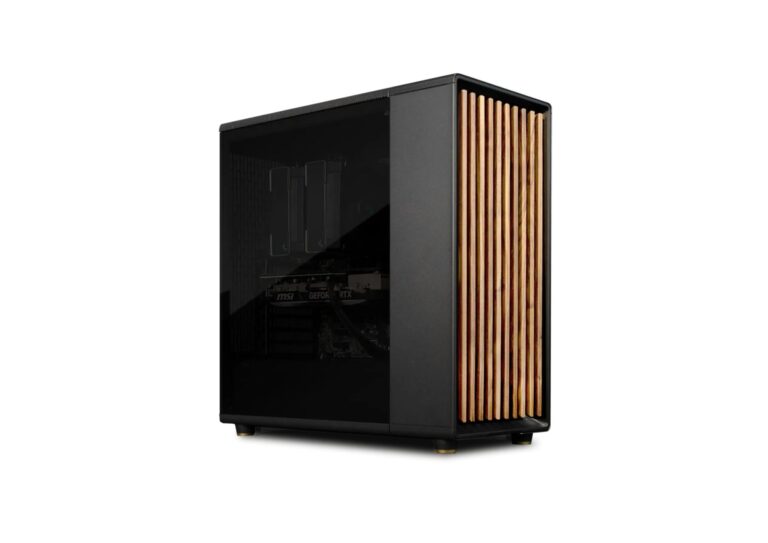
When it comes to technology, especially fintech, conversations usually focus on software, algorithms, automations, and APIs. But behind every trade, transaction, and AI model lies something just as important: hardware. The performance of the physical systems running our software determines how efficiently, securely, and profitably we operate.
The Hidden Cost of Weak Hardware
A delay of even a few milliseconds can be costly. In high-frequency trading, analytics, or payments, a slow system can mean lost trades, missed data, and unnecessary energy use. Inefficient rigs not only consume more electricity but also create small delays that compound over time into real financial losses. In fact, a 1 millisecond advantage can be worth $100 million to a major brokerage firm.
Many companies invest heavily in cloud platforms and coding talent, but they are often paired with outdated or mismatched machines. With this bottleneck, their hardware systems are quietly limiting what software can achieve.
The Parts That Give You an Edge
Every part of a system matters, and each of them plays a role in overall performance.
- The CPU is the brain; its clock speed and architecture determine how quickly instructions are processed. For trading or simulation work, high single-core performance can make a noticeable difference.
- GPUs, once the domain of gamers and miners, are now essential in finance. Most people in trading need GPUs for multi-monitor display support. Many use two or three screens, and some require as many as eight, depending on what they’re trading. They can process massive datasets in parallel, powering everything from AI-driven trading models to fraud detection. The right GPU setup, balancing cores, VRAM, and cooling, can double performance without doubling cost.
- Memory (RAM) enables multitasking without lag, while fast storage is key for large data operations. Solid-state drives (SSDs) far outperform traditional hard drives (HDDs), cutting load times and improving reliability during high-volume workloads.
- And then there’s connectivity. Stable, low-latency networking components ensure data moves quickly and consistently, which is critical for global trading desks or firms running real-time analytics.
At Quoted Tech, we often see well-intentioned teams combine high-end parts that don’t work well together: a top-tier GPU paired with a mid-range CPU, or minimal cooling in 24/7 setups. Balanced builds, proper power delivery, and future-proofing through benchmarking are what turn a good system into a great one.
Why the Build Matters: Speed, Efficiency, Security
Speed is the obvious advantage of strong hardware, but it’s also about reliability and control. When your system responds instantly, you can act faster than competitors, test more models, and process more data without downtime.
Efficiency is key for any business, and the right configuration reduces power draw while maintaining top-end performance. This can reduce operational costs and extend the life of your components.
Security also starts at the hardware level. Poor builds and unstable systems can lead to crashes, corrupted data, or exposure to vulnerabilities. Enterprise-grade components, proper cooling, and redundant storage drastically reduce those risks. A stable system doesn’t just perform better, it protects your business.
The Risk of Cutting Corners
It’s tempting to save on parts, but cheap builds often fail when it matters most. Components wear out faster, overheat under heavy workloads, and cause downtime that quickly outweighs any upfront savings.
We’ve seen many clients come to us after trying to assemble low-cost rigs or buy pre-built online. What follows are endless troubleshooting calls, inconsistent performance, and higher power bills. In finance, that instability translates directly into opportunity cost.
Investing in quality means investing in longevity, stability, and trust in your tools. When your business depends on milliseconds, your infrastructure has to be built to match.
Kevin Jia is the CEO and Co-founder of Quoted Tech, Canada’s go-to source for high-performance, custom-built PCs. Every system is handcrafted locally using premium components and tested for speed, graphics, and reliability—trusted by more than 10,000 users across the country.


Leave a Reply