

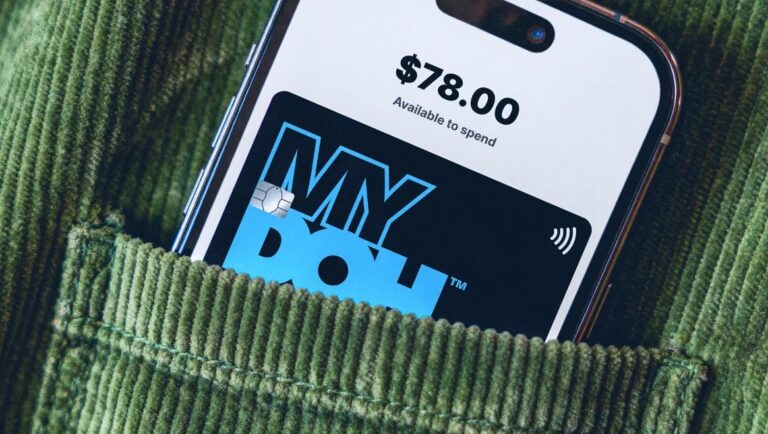
Since 2021, Mydoh has helped teenagers in Canada make smarter choices around money.
The app, powered by Royal Bank of Canada’s technology and innovation arm, has so far helped more than 300,000 Canadians “build a more solid financial foundation for the next generation.”
But recent research from Mydoh reveals a potential disconnect between what parents believe about financial literacy, and how they’re teaching it to their kids.
Findings from an online survey conducted by Prodege shows that 87% of Canadian parents say it is extremely or very important for their child to build money management skills during the school year, yet an identical number say they have at least one hesitation when it comes to giving their child greater financial independence.
These hesitations include the risks of kids spending money too quickly, making poor spending decisions, and getting scammed.
This tension highlights a fundamental challenge for families: kids can’t learn to manage money independently if they don’t have the opportunity to practice it.
“Parents understand that money management is a skill their kids need for life,” says Mydoh chief executive officer Angelique de Montbrun, “but knowing that and feeling comfortable handing over responsibility are two very different things.”
Parents must balance their kids’ growing financial independence with guidance to develop healthy habits. Kids must build skills and understand the real-world impact of their financial decisions.
“The intention isn’t to give kids unlimited freedom with money,” de Montbrun says. “It’s to give them the right amount of independence, with the right amount of guidance, so they can learn from real decisions while the stakes are still low.”
A majority of parents expect their child to save up for something during the school year, as well as to make their own smaller purchases independently.
But as responsibility rises, parents become reluctant to fully hand over the reins. Few parents actually expect their child to manage a budget, while even fewer trust them to conduct shopping online.
Yet it’s crucial to remember that “Financial independence isn’t something kids suddenly become ready for,” according to Vanessa Bowen. “It’s something they build through experience.”
Bowen, founder of personal finance coaching platform Mint Worthy, believes that “”Parents can start with decisions that feel manageable and gradually give their kids more ownership as their confidence and judgment grow.”
“Apps like Mydoh give families a practical way to manage this transition, letting kids practice real-world decision-making within safe, defined boundaries,” Bowen stated.
Bowen believes parents should start small and scale up each school year, matching the school’s rise in expected responsibilities of the student with similar-level financial responsibilities.
And while parents should always intervene against a majorly bad move, Bowen suggests allowing “small money” mistakes to occur. These low-stakes errors can be converted into valuable learning moments.
By pairing expert advice with Mydoh’s built-in safety controls, parents can turn everyday back-to-school moments into a launchpad for lifelong financial stability, according a statement from to RBC.
Following success at Digital Banker’s Global Transaction Banking Innovation Awards, the Royal Bank of Canada was recently recognized by the 2026 IDC CIO Awards.
RBC is the only Canadian bank in the top ten of the 2025 Evident AI Index.



Leave a Reply